Real Estate Alert: Commercial Leasing in Transit Hubs

By John McDonough, partner at Murphy Partners LLP

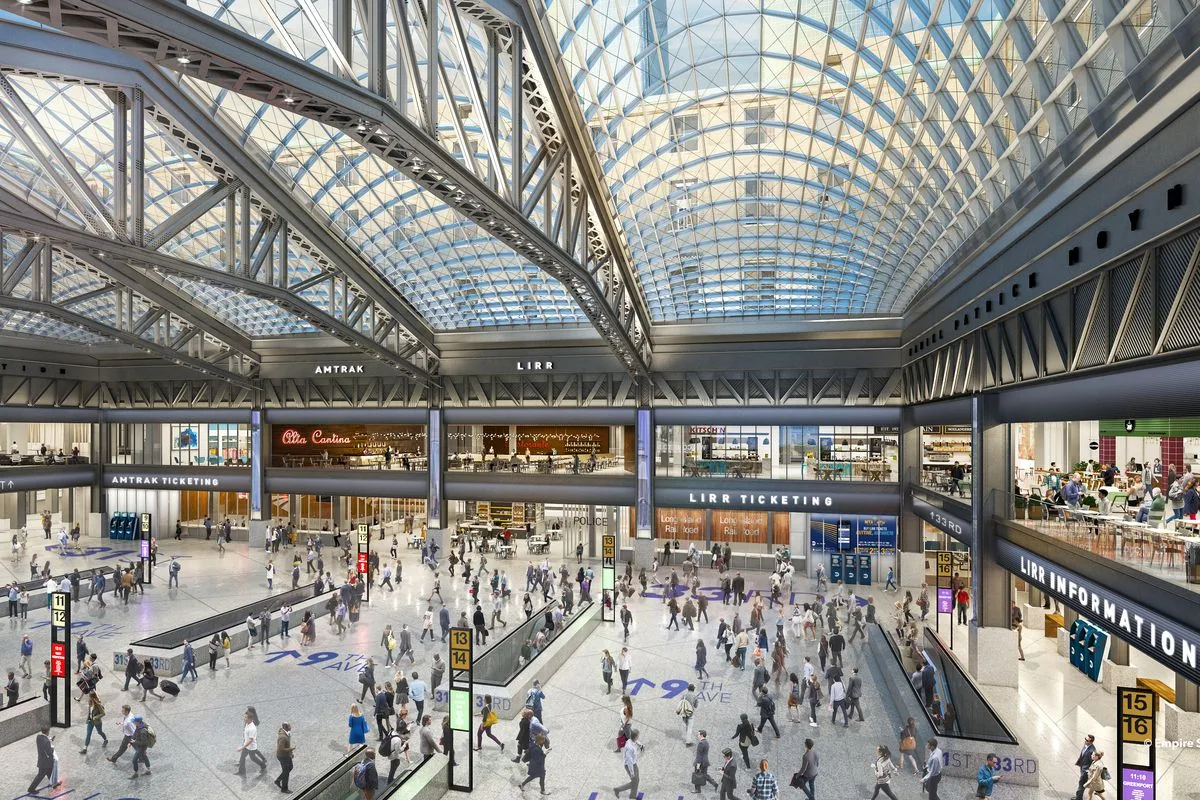
Economic indicators, as reported by Cushman & Wakefield’s MarketBeat Quarterly Report, paint what should be a rosy picture for Manhattan retail: The City achieved record-breaking employment in the second quarter of 2018 and tourism is booming. And yet, according to the same report, “luxury brand corridors, such as Madison Avenue and Upper-Fifth Avenue, are recording limited retail leasing activity.” Increasingly, brick-and-mortar stores are having trouble generating foot traffic as they compete with the convenience of e-commerce. However, transit hub markets, like the Port Authority Bus Terminal, Penn Station and Grand Central, offer a captive, twice-per-day answer to that retail market-share attrition.

For potential tenants, leasing space in a transit hub means leasing from a governmental entity. Here are a few lease terms that potential tenants should be aware of when negotiating with a governmental entity for space in a transit hub:

  • Tenant Improvement Allowance. For the most part, unlike private-sector landlords, governmental entities will not directly subsidize a tenant’s initial buildout. Rather, tenants will need to negotiate for rent credits, in the form of free-rent periods. On Port Authority retail leases, for example, rent typically commences upon the earlier of a set number of months from the date possession is tendered or the date tenant opens for business. This structure is designed to give the tenant an opportunity to complete its buildout before having to pay rent, but savvier tenants can use the free rent period as an indirect way to offset their upfront capital expenses. This can be achieved by negotiating for free-rent period longer than needed to complete the build-out, striking the ‘earlier of’ language, and getting architectural plans approved before taking possession of the premises.
    • Termination Without Cause. Governmental leases in transportation facilities will frequently allow the landlord to terminate the lease without cause upon 30-days’ notice to the tenant. To soften the severity of this provision, the lease will typically require reimbursement of the tenant’s unamortized capital expenses. Additionally, tenants should ensure that their lease requires reimbursement of all capital expense, not just initial build-out, and should negotiate for an initial lock-out period during which the landlord would not be able to exercise termination without cause.
    • Transit hub retail is no longer limited to coffee carts and newsstands. In the metro-New York City market, transit hubs have transformed into vibrant and dynamic shopping centers and destinations rather than merely waiting areas. Retailers looking to harness this vital foot traffic should watch for some of the key differences in a retail lease from a governmental landlord.

      For more information on this topic, please feel free to contact John McDonough at (973) 877-6984 or jmcdonough@murphyllp.com.


New Jersey Incentive Update – October 2018

On Thursday, October 11, 2018, the New Jersey Economic Development Authority (NJEDA) will hold its monthly board meeting. Among the actions to be taken, the Board will consider two applications under the Grow New Jersey Assistance Program (Grow NJ). If approved, the two applicants could receive over $8,600,000 in tax credits (over 10 years).

Created under the Economic Opportunity Act of 2013, the Grow New Jersey Assistance Program (Grow NJ) is the State’s main job creation and retention incentive program. Under the Grow NJ program, businesses creating or retaining jobs in the State may be eligible for tax credits ranging from $500 to $5,000 per job, per year; with bonus credits ranging from $250 to $3,000 per job, per year (awards vary based on applicable criteria).

The Grow NJ program has been wildly popular and incredibly successful. Since its implementation, 250 projects have received awards, totaling over $4.7 billion in tax credits. Approved applicants generally have three years to certify, or complete, a project. A project is deemed complete when the applicant has hired or retained the number of employees listed in its application, and satisfied the program’s capital investment requirements. Once certified, the 250 projects will drive over $4.5 billion in private capital investment, create over 32,000 new jobs, and retain over 35,000 jobs at risk of leaving the State.

If interested in learning more about Grow NJ or other economic development incentive programs, please do not hesitate to contact Chris Murphy at (973) 877-6984 or cmurphy@murphyllp.com.

Incentive Alert: Governor Murphy Proposes New Incentive Programs

On Monday, Governor Murphy outlined his plan for revamping New Jersey’s main incentive programs, including the Grow New Jersey Assistance Program (Grow NJ) and the Economic Redevelopment and Growth (ERG) Program, which are set to expire in July of 2019. While the creation of any new program will require new legislation, this is the first step in a process that will likely result in new incentive programs for businesses and developers.

The NJ Forward Tax Credit Program (NJ Forward) will likely take the place of Grow NJ as the State’s main job attraction incentive program. As proposed, NJ Forward will focus primarily on high-wage, high-growth sectors, including life sciences, information and high tech, clean energy, advanced manufacturing, advanced transportation and logistics, finance and insurance, and food and beverage. While the report does not outline specific programmatic details, it states that the proposed program will:

  • Increase focus on global/U.S. headquarters, R&D activities, and foreign direct investments
  • Prioritize new job creation rather than retained jobs
  • Encourage job creation in urban centers and other distressed communities, particularly those with public transit assets
  • Include an annual award cap and review to ensure fiscal sustainability and transparency
  • Feature lower base per-job credit amounts more in line with neighboring states, as well as more focused bonuses that ensure the administration’s policy goals
  • Limit transfers of credits to ensure that job-creating companies reap the primary benefits of taxpayer investment
  • Reward companies that invest in employee skill development and training

The NJ Aspire Tax Credit Program (NJ Aspire) will likely take the place of ERG as the State’s main incentive for developers. The administration is proposing the creation of a new place-based gap financing tool to help catalyze investments in commercial, residential, and mixed-use (including parking) projects, with a particular focus on cities, downtowns, and suburban neighborhoods served by mass transit. As proposed, the program will facilitate the conversion of surface parking lots, vacant and/or abandoned lots, and other underutilized properties into job and tax-generating development opportunities. The program will also assist in the development of market-rate housing in distressed communities and, where appropriate, mixed-income and affordable housing near transit in suburban communities. NJ Aspire will be structured as a competitive tax credit grant, giving the NJEDA discretion in awarding grants to the most impactful and development-ready project.

In addition to NJ Forward and NJ Aspire, the report also calls for the creation of a new remediation and development tax credit program and a dedicated NJEDA loan fund to support brownfield redevelopment, the creation of a state historic preservation tax credit program, and multiple programs aimed at encouraging venture capital investment in high-growth, high-wage sectors.

If interested in learning more about these or other economic development incentive programs, please do not hesitate to contact Chris Murphy at Murphy Partners LLP at (973) 723-7036 or cmurphy@murphyllp.com.